Blog
Trade deal renewal must include sewage fix
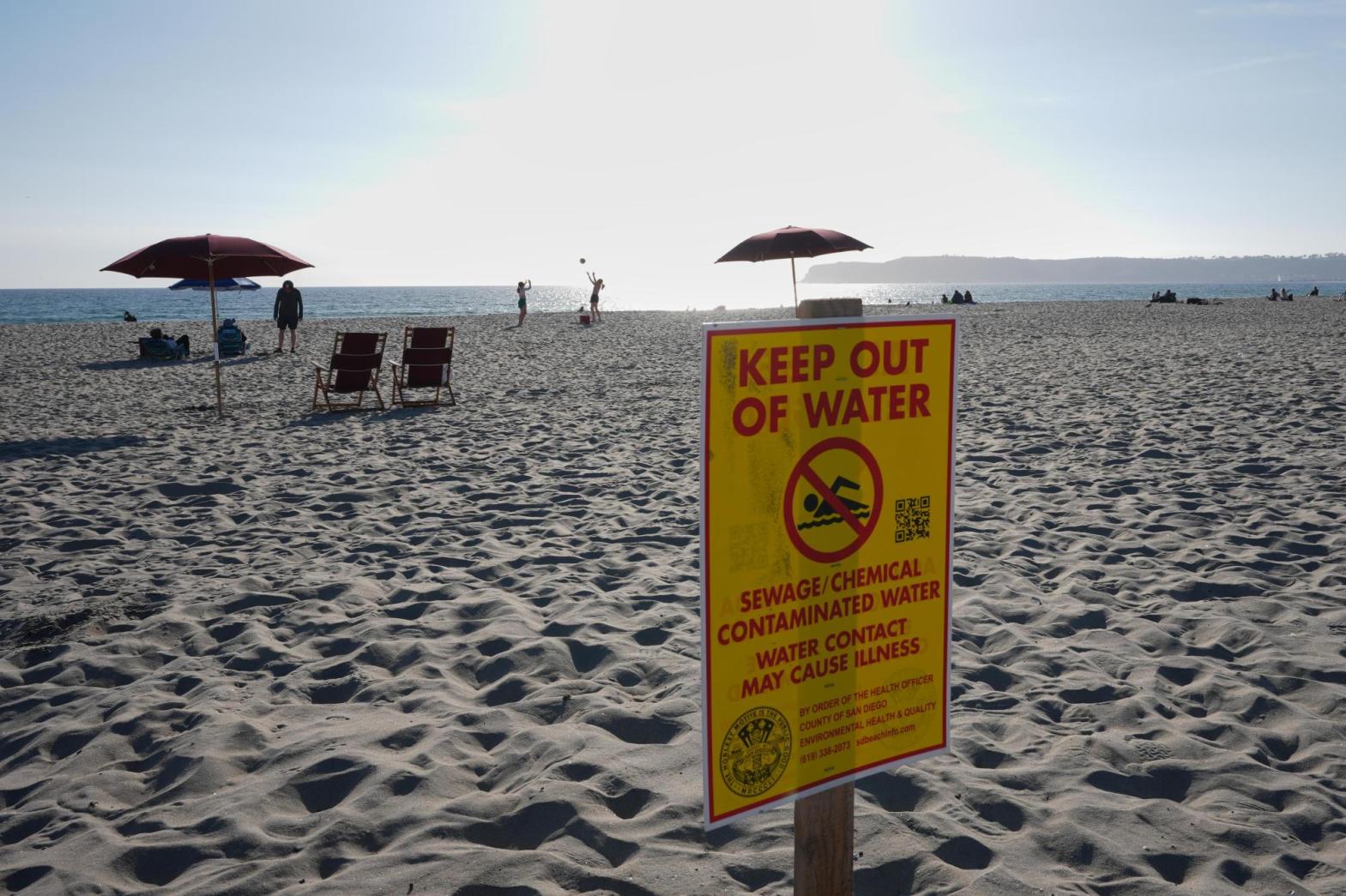
While many businesses have flourished on both sides of the border due to free trade, the relentless discharge of sewage, trash and toxic waste into the Tijuana River has resulted in beach closures from Imperial Beach to Coronado, as well as economic impacts to the region. A public health crisis from foul air and water has caused harm to a wide range of south San Diego County residents and workers, from the children of Berry Elementary School in south San Diego and residents of Laureles Canyon in Tijuana to Navy SEALs training on Silver Strand in Coronado and Border Patrol agents getting sick from patrolling the Tijuana River Valley.
As negotiations continue regarding the future of the USMCA, we are calling on negotiators to ensure that any extension of the trade agreement includes the following enforceable environmental protections and long-term solutions to the ongoing Tijuana River pollution crisis.
— Enforceable environmental standards with consequences for failure: The U.S., Mexico and Canada must establish measurable environmental benchmarks, timelines and accountability measures to eliminate transboundary pollution. Extension of the trade deal should be contingent upon demonstrated compliance with these commitments. Infrastructure failures that result in pollution must trigger legally enforceable penalties such as fines.
— A rapid response mechanism for environmental violations: Similar to the labor enforcement provisions added after NAFTA, USMCA should include a rapid response system to investigate and address environmental violations. A dedicated environmental oversight body should regularly assess impacts of the agreement and emerging environmental concerns, including monitoring pollution from maquiladora operations.
— Establish a body (similar to a Joint Powers Authority) or task an existing one (e.g., USMCA Environment Committee) that meets to take stock of and address emerging concerns and findings about the impact of, and improvements due to, the agreement on the environment.
— Sustained operations and maintenance funding: Long-term funding mechanisms, including support through the North American Development Bank, must be secured to ensure existing wastewater infrastructure is properly operated and maintained.
— Funding and construction of critical infrastructure: Both governments must commit to planning, funding, constructing, operating and maintaining river diversion projects, water reuse facilities and advanced wastewater treatment plants capable of capturing and treating sewage before it reaches shared waterways.
— A multi-year border water infrastructure program and funding: Mexico and the U.S. should fund multi-annual funding programs with a minimum of $100 million annually each to provide reliable and predictable financing for wastewater infrastructure projects along the border.
The environmental crisis affecting the Tijuana River watershed is directly connected to decades of trade-driven industrial growth and inadequate infrastructure investment. If the USMCA is negotiated without meaningful environmental accountability, the cycle of pollution will continue.
Communities on both sides of the border deserve clean water, healthy beaches and a safe environment. Any extension of the United States-Mexico-Canada Agreement must include the tools, funding and enforcement mechanisms necessary to finally solve the Tijuana River pollution crisis.
Dedina is the executive director of Wildcoast and the former mayor of Imperial Beach. He lives in San Diego. Rilli is the deputy chapter director of the Sierra Club San Diego Chapter and lives in San Diego. Norzagaray is the Wildcoast senior marine debris manager and lives in Tijuana.
This article originally appeared in the San Diego Union-Tribune